

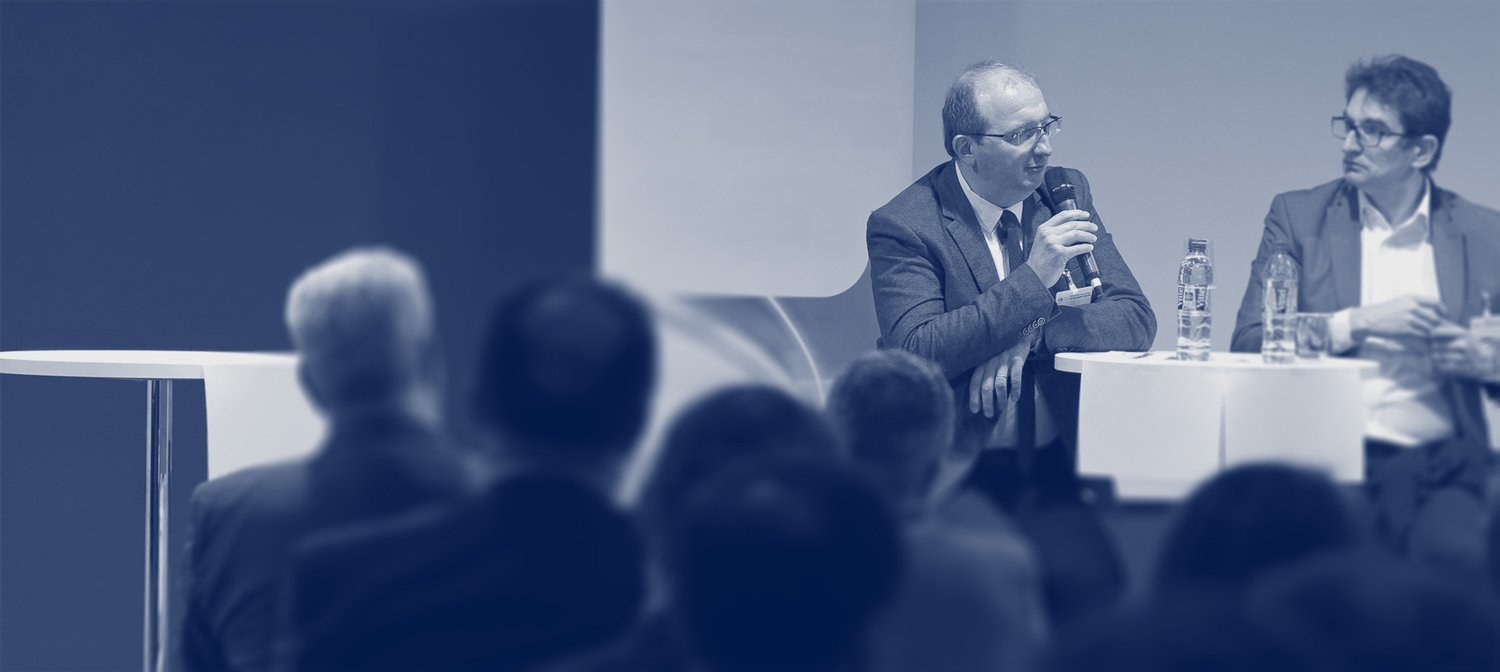
The aim is not merely to discuss technical challenges, but to focus on pragmatic solutions that strengthen the rail market and accelerate the modal shift. Throughout our sessions, we will explore solutions that advance a harmonized rail market - or, as the European Union Agency for Railways (ERA) calls it, the Single European Railway Area.

Maintenance
1.
Recent evolutions on the rolling stock maintenance market
How can we promote and catalyze the rolling stock market competition to improve rail transport efficiency?
ECM framework and digitalization as a lever to improve safety, efficiency and performance
In the context of higher operability of rolling stock across Europe in a more fragmented and competitive market, how can ECM framework and digitalization become a lever to improve safety, efficiency and performance?
Economic performance of rolling stock as a function of maintenance performance over time
Economic performance of rolling stock relies on maintenance performance overtime. How can sector and industry can get prevented from obsolescence and ILS disruption?
Lunch break

ETCS-FRMCS
2.
ETCS, the key to the Single European Railway Area
When does ETCS deliver benefits to the European rail network? How could the Single European Railway Area look like?
Towards a pragmatic and cost-effective implementation of FRMCS
The next new technology, what challenge is ahead of us? How can we secure a coordinated rollout delivering benefits to asset owners and asset users?
How do we need to develop ESC tests as a lever for a harmonized roll-out of ETCS
Improved understanding the current use of ESC tests and potential for improvement as an enabler for a harmonized introduction of ETCS

Funding innovative rolling stock
3.
Public and private support to finance rail
European funding should support European rail, not serve a country. How can European funding support the market for ETCS, FRMCS, DAC. Which life cycle developments and upgrades of rolling stock ?
More freight from the same network: the operational case for DAC
What can DAC deliver ?Higher usable tractive effort and better braking → more consistent train performance → more tonnes per competitive path → better use of network capacity.
Powering rail's future: unlocking the value of batteries
Demonstrate why delivering the benefits of batteries in rail requires both specialist battery expertise and successful vehicle integration and how these capabilities create value for customers and the wider railway system
Cocktail
Cost efficiency
1.
Towards a net-zero rail fleet by 2050
Leasing makes sense to support the developement of market share, retrofitting passengers rolling stock
Leasing supporting development of public and private passenger operators
AERRL positioning (standardisation & harmonisation of standards for data exchange - lessons learned from TSI ENE implementation) - ERA solutions - the Eress experience
Lunch break
Data & Safety
2.
From data to interoperability: making digitalisation, cybersecurity and AI work for European rolling stock
Discussion at EP on AI in Safety analysis - UNIFE vision about opportunities and Challenges for AI - state of play Cybersecurity and impact on TSI's
Closing from AERRL: recommendations to improve interoperability, standardization and cost-effectiveness of European rolling stock
Lessons learned after 10 years of intense JNS work
Closing from AERRL

Maintenance

ERTMS

Financing & Cost Management

Energy

Safety